LBW Rule Explained: When Is a Batter Out Leg Before Wicket?
LBW is one of cricket’s trickiest rules. Here is a plain-English explanation of leg before wicket — when a batter is out, and when they’re not.
LBW — leg before wicket — is one of cricket’s most debated dismissals, and one of the hardest for newcomers to understand. This guide explains the LBW rule in plain English, so you know exactly when a batter is out.
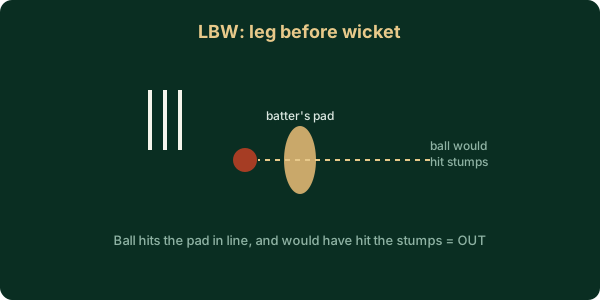
What does LBW mean?
LBW stands for leg before wicket. In simple terms, a batter can be given out LBW if the ball hits their body (usually the pads) when it would otherwise have gone on to hit the stumps — the pad stopped the ball from hitting the wicket.
The main conditions for LBW
For an umpire to give LBW, several things generally need to be true:
- The ball must not have hit the bat first (bat before pad means not out).
- The ball must pitch in line or on the off side (not outside leg stump).
- The ball must strike the batter in line with the stumps — with one exception (see below).
- The ball must be judged to be going on to hit the stumps.
Why LBW causes so much debate
Because the umpire has to judge whether the ball would have hit the stumps — a prediction, not a certainty — LBW decisions are often close and contested. In professional cricket, ball-tracking technology helps; in local cricket, it comes down to the umpire’s judgement.
Recording LBW when scoring
When a batter is out LBW, it counts as a wicket for the bowler. On the scorecard it’s written as “lbw b [bowler].” A good scoring app lets you pick the dismissal type quickly so the bowler and batter records update correctly.
Score your next match the easy way
PitchSide is a free, offline cricket scorer. No login, no download — just open and score.
Open PitchSide →